State of SMUNZ: June 2026
I filed StartMeUp.nz Limited's first tax return last month. We're carrying forward a loss of about $3,000, which in the grand scheme of things is equivalent to a rounding error in some startup budgets. It was that terminology IRD uses carrying forward that stuck with me, and that is what we are doing. Carrying forward the vision, the connections, the slow accumulation of infrastructure and trust from one year into the next.
NZTechRally: People Over Platforms
NZTechRally was the month's highlight. Held at Tākina, the event drew just over 400 people. Lauren Peate delivered a standout keynote on building with AI without losing our values. Her research, talking with hundreds of developers worldwide, found something counterintuitive: AI is leading us to work more hours, not fewer.
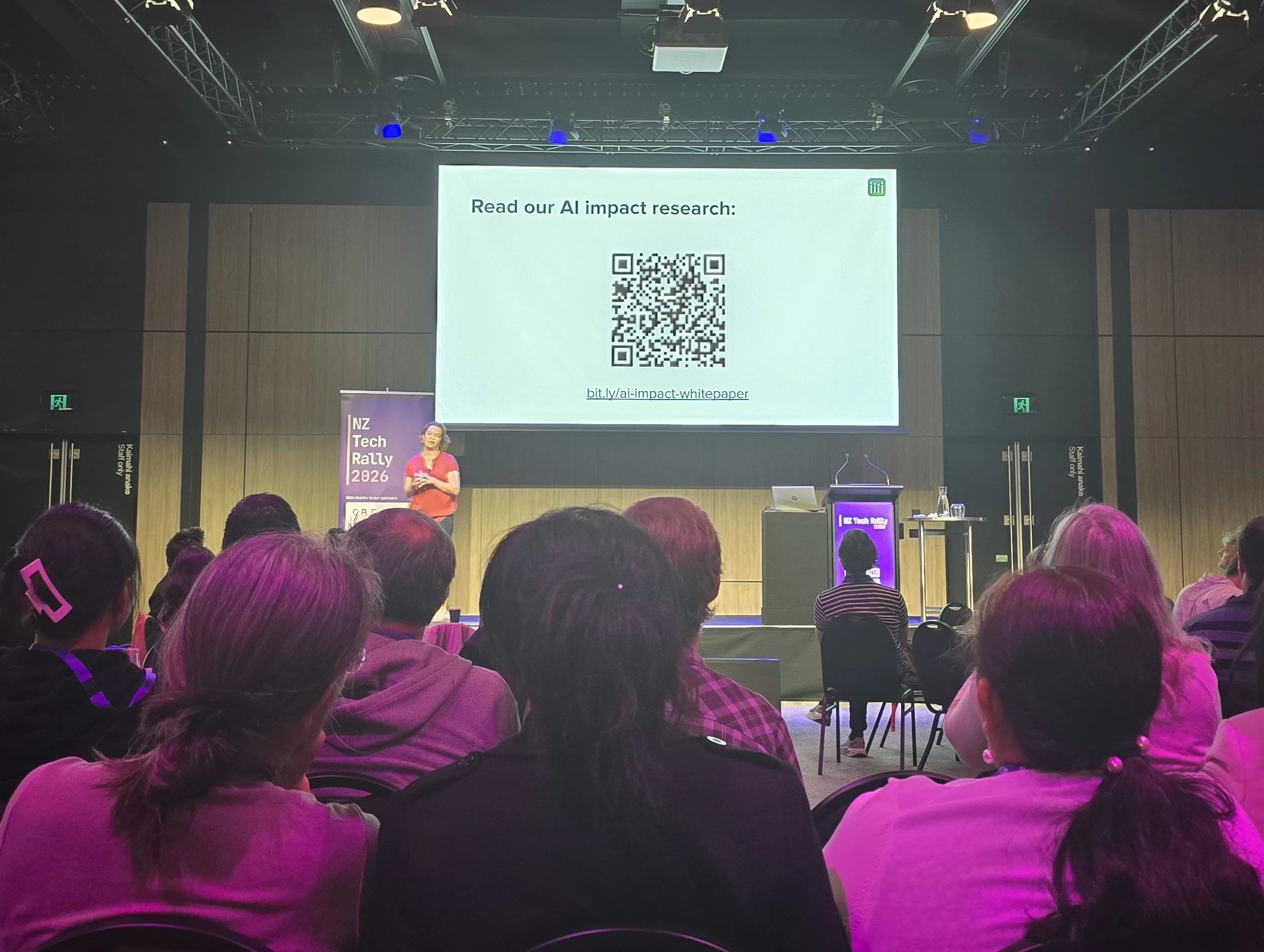
What stood out wasn't any single talk. NZTechRally is a well-organised community and volunteer-run event, Camy and the crew do a great job of bringing together a genuinely diverse crowd. Not just developers and operations people, but UX designers, product thinkers, security folks. That cross-disciplinary mix is rarer than it should be, and it made the hallway conversations far more interesting than your average conference.
Cookies & Conversation Starters
I asked Cookie & Me, a Wellington-based small business that makes genuinely excellent cookies, to cook up another batch. This time it didn't make sense to be promoting SMUNZ, given how early stage we are. Instead, we branded them "DevOpsDays Wellington 2027" — planting the idea back in people's minds, and giving me a reason to ask: does anyone else out there want to make this happen?

I told Geordie we were thinking of hosting at Victoria University's Kelburn Campus and had a cable car themed logo in mind. A day later he came back with this design. They handled our custom labels without a fuss, and the cookies themselves disappeared fast. If you need cookies for an event, corporate, community, or anything in between, give them a call!

Is DevOps Dead?
The last DevOpsDays in Wellington was 2019. Most people at NZTechRally had probably never heard of it, but some had. The cookies were a conversation starter — I asked people a simple question: Is DevOps dead?
The answers ran the full spectrum. Some said yes flat out: AWS automated it, the role doesn't exist anymore. Others said no, but it's become an enablement function—less about running pipelines yourself, more about making sure everyone else can. The truth, as these things go, lies somewhere in between. The job title might be fading, but the work—bridging development and operations, keeping the lights on while the product ships—isn't going anywhere. It's evolving.
This is a conversation that feels worth having in person. Which is part of why we're working to bring DevOpsDays back. We're targeting February 2027. Initially we had Victoria University's Kelburn Campus in mind, but we've since discovered a credit from a cancelled 2021 event, so Shed 6 is now on the table as well. If you want to help make this happen, the proposal page has details.
The Connections That Matter
A young fellow from Victoria University introduced himself. He was wondering how to break into network engineering fresh out of university. I introduced him to my friend Juan, a veteran of the field, who pointed him toward GNS3 as a learning environment. He later posted on his LinkedIn about how this was one of his favourite moments at the event.
I recently applied for a role outside my usual lane—less platform engineering, more community engagement. In the cover letter I wrote: I'd like to build people networks rather than computer networks. I didn't get the job, but the hiring manager told me that line stood out for them. Then here I was, networking two network engineers together at NZTechRally.
Movac Epic Fails: Focus on Outcomes
The following week brought the Movac Growth Jam: Epic Fails Edition. Six founders got on stage and told their most spectacular failures.
I love a good post-mortem. Post-incident reports, retros that get uncomfortable, the honest accounting of what broke and why. These are the moments teams actually learn. The speakers whose failures were further in the past had clearly done the work. They'd processed, learned, integrated. The ones whose wounds were fresher were still in it, the failures still raw and real. Both are valuable. Both take courage. I came away thinking about how rarely teams do real retros anymore—not the ritual standup kind, but the actual, uncomfortable work of asking: what went wrong, and what are we going to do differently?
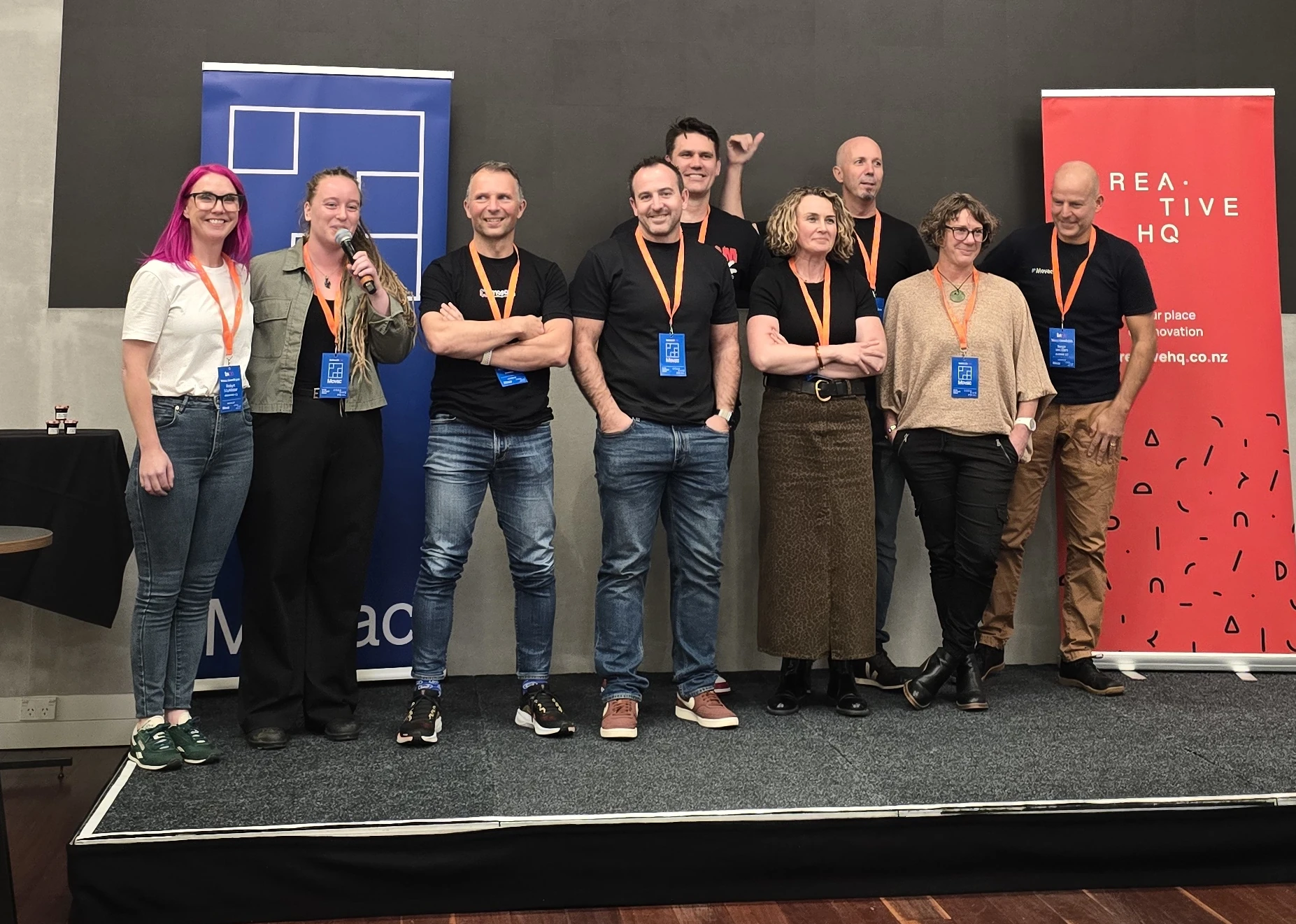
Aaron Scott of Somar Digital told the story that stuck with me most. He made the classic mistake of not listening to what the client was asking for, a simple brochure website, and pitched an idea for an ambitious app for planning walking routes. They lost the bid—but planted a seed. Months later, the client came back. "Remember that idea you pitched us?" The outcome? Plan My Walk now contributes to saving lives on New Zealand's trails by helping trampers plan and prepare properly. That's what focusing on outcomes looks like. Not winning the pitch, but staying with the idea long enough for it to land.
Tooling: Building in the Open
We've shipped our fourth Python module. worklog-opsdevnz is a small thing, a Click-based Python module that generates Markdown files with frontmatter. I've been using it in one shape or another over the past few years, and it's the first module we've built from our release template. That's the underlying work we now need to backport to our previous modules.
We also migrated startmeup.nz from Hugo to Zensical this week, standardising on a Python-native static site generator. The reconciliation reporting process has been updated to match.
Revising the Plan
It's been a year. Our first blog post was all excitement about launching on Hugo. Now it's gone, replaced. If you're not reviewing your plan every six months, just assume it's out of date. I'll soon be revising the SMUNZ constitution and business plan.
The vision hasn't changed: a fiscal host that gives early-stage New Zealand startups a place to land before they're ready to incorporate. Supporting 500 startups over five years. We're setting up OpsDev.nz as the first collective under SMUNZ—building the infrastructure by using it. The direction is steady, even if the pace is slower than the pitch deck suggested.
If you're working on something that could make a difference, I'd like to hear about it. These things don't start with a business case. They start with a conversation.